AI detector false positive: what to check when your own writing is flagged
You wrote it, a tool says a machine did, and a client is now cross. Work through the table in order, and do not rewrite a single sentence until you know why.
NoAISEO research team ·
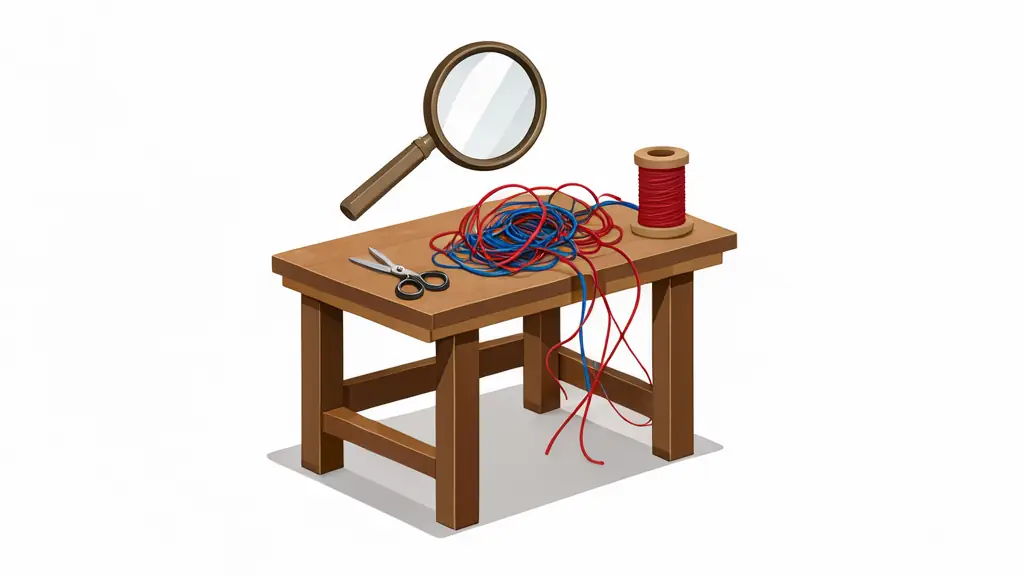
Why honest writing gets flagged
Detectors guess. They compare patterns in word choice and sentence shape with patterns they learned from machine text, and tidy human prose can match them. In July 2023 OpenAI withdrew its own AI text classifier because its accuracy was low.
A 2023 Stanford study found that several detectors wrongly marked essays by non-native English writers as machine-made. The finding matters. That is a fairness problem, and a good reason to treat a score as a hint at most.
So your first move is evidence, not edits. If you want a fuller trail, the authorship decision tree lists what to save. Then use the table.
Scores also drift. A vendor retrains its model, and an article that passed in January fails in June without a single word changing. Save the date with every result.
Troubleshooting table
| Symptom | Likely cause | What to check | What to do |
|---|---|---|---|
| High score on a short text under 300 words | Too little to judge; scores swing wildly | Paste a longer sample of the same author | Ask the reviewer to test the whole piece |
| Flag on a list or a glossary | Repeated, formulaic sentence frames | Read the entries aloud; are they all the same shape? | Vary the order, add a worked example |
| Flag after heavy Grammarly or DeepL edits | Tool-polished text reads smoother and flatter | Compare the raw draft with the final | Keep the draft; add a tool disclosure line |
| Non-native English author | Known bias in several detectors | Run the same text through a second detector | Send the version history; cite the Stanford study |
| Different tools give different scores | No shared standard between products | Record all scores with dates | Treat the spread as proof the metric is weak |
| Client insists on a number | Process policy, not evidence | Ask what the contract says | Offer drafts, bylines and a call instead |
A calm sequence for the first hour
Stop editing
Every rewrite buries the history that proves you wrote it. Freeze the text and export the version history with its timestamps.
Ask which tool and which version
Names matter. Scores from GPTZero, Turnitin and Originality.ai differ, and each vendor changes its model over time.
Test your own older work
Run an article you published in 2019, before generative tools were common. If it also scores high, you have your answer.
Offer process evidence
Send drafts, notes, source links and any original images. Process outranks any score.
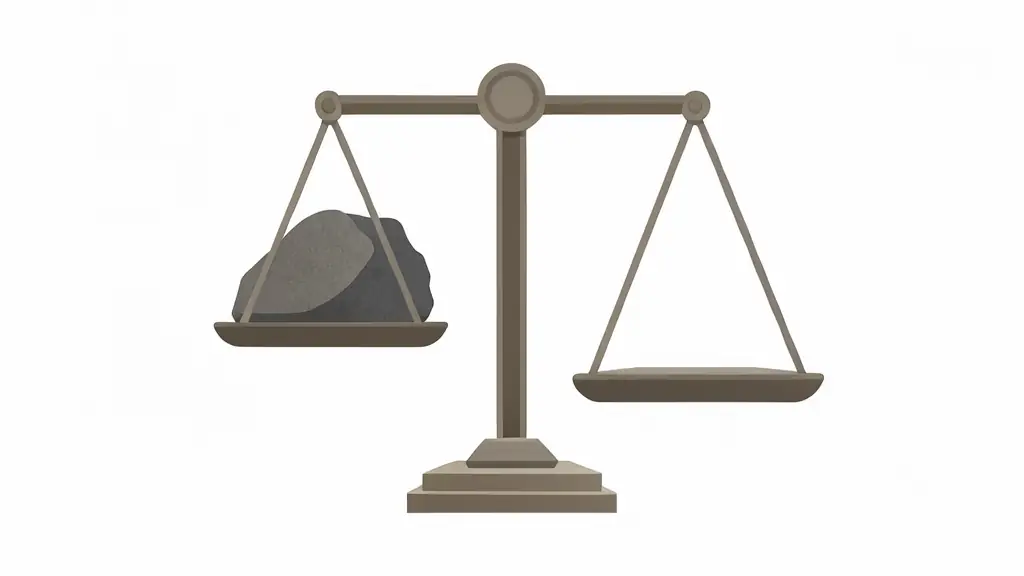
How much weight can one score carry?
A detector number looks precise. It is a probability from a model trained on other texts, and that model knows nothing about your history. An AI detector false positive usually starts with a score taken at face value.
Short samples swing
A score on a paragraph of eighty words says little, because there are few patterns to measure. Numbers need context. Short samples are harder to judge for any tool. Ask for the full piece, and check how many words the tool actually tested.
Picture a reviewer who pastes one introduction and reads the result as a verdict on a whole book. Do not do that. Test a passage of your older work at the same length, and see whether the number holds steady.
Formal style can look like a pattern
Careful, formal prose tends to use regular structure, tidy transitions and few slang words. Style is not evidence. Those habits can look machine-like to a classifier. A conference paper, a legal summary and a corporate report can all score high with no help from software.
Polish is a weak defence. The more carefully a draft is edited, the flatter and more even it can read, and a flat, even text is exactly what some tools flag. Explaining the polish is more useful than arguing with the number.
Vendors change their models
A detector is a product with a version number, and that version changes. Versions change quietly. A text that passed in one month can fail the next, though not one word has moved. Keep a dated log of each score, the tool name and its version when the tool shows one.
A log turns an argument into a record. Records beat memories. It also shows whether a change in the result came from the text or from the tool, which is the first thing a reviewer will want to know.
What to tell the person who raised it
Be calm and specific. Say that detector scores are probabilities, that vendors publish their own accuracy claims, and that you can show the working. Then attach the evidence.
Offer a way to check, not a fight. A short call works. So does a list of questions about the piece's sources. A writer who knows the topic passes without strain.
If the relationship does not survive that, it was never about the score. Fine. Keep the trail anyway, and read the E-E-A-T myths before your next pitch, because those explain what a reviewer can legitimately ask for. Our glossary defines the terms.
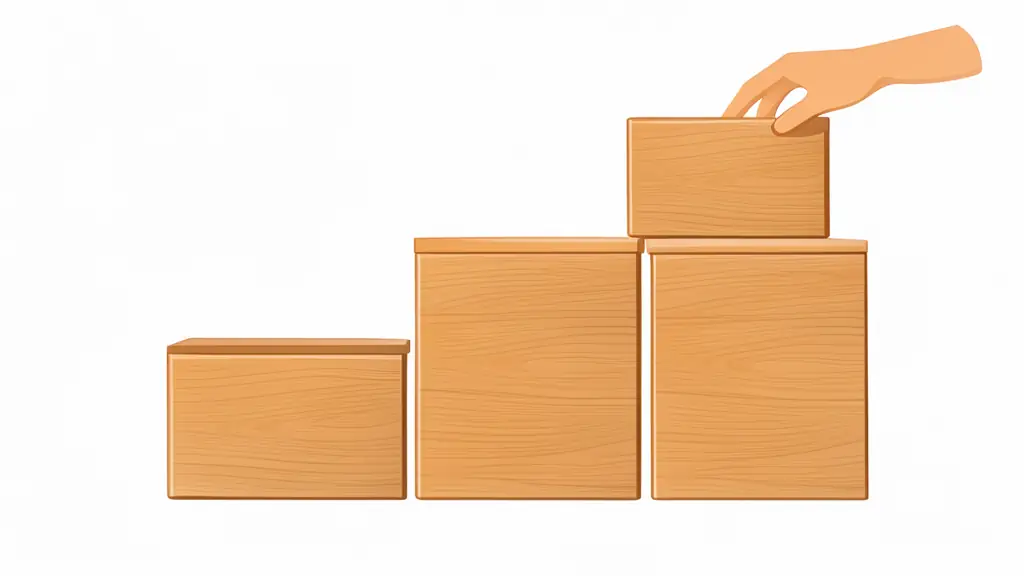
What evidence should you gather before replying?
Gather evidence in the order a reviewer would ask for it. Start with what predates the complaint, then move to tests you can run together. Each step helps.
A live writing test
Offer a short test on a call. Ask the author to write two paragraphs on the subject while the reviewer watches, with only the sources they name at hand. This is not a trap. It shows whether the author can reach the material without help.
Keep the test fair. Set a clear length, a time limit and a topic the reviewer chooses. A test that feels like a trick ends the conversation faster than the score did.
Questions about the sources
Ask the writer to explain three sources in their own words, including why each one was chosen and what it did not prove. Listen for detail. Someone who did the reading answers with detail and without hesitation. Someone who did not tends to repeat the article back.
This works best on specialist topics, where the detail lives in the reading list. Generic pieces need other questions. It works less well for a generic explainer, so match the questions to the piece.
Set the flagged piece beside older work
Lay the flagged article beside an older piece by the same author, on a similar subject. Look for the habits. A shared voice and familiar habits help a reviewer see one continuous hand. A clash of voice raises a different question, and that one deserves a straight answer.
Use the decision tree to list what else belongs in the file, so the comparison rests on the rest of the trail too. Lead with that. A reviewer who sees a full trail rarely needs the score explained twice.
Why a second detector rarely settles it
Running the same text through a second tool sounds like a tie-breaker. It rarely is. Two tools that disagree tell you the measure is soft, and that is worth saying plainly in your reply.
Record both results with their dates. Keep both. A short table of scores is a record of uncertainty, and a reviewer can read it without any technical background. It also stops the argument from turning into a contest between two dashboards.
How do you answer a reviewer who will not budge?
Sometimes a reviewer holds to the number whatever you show. Stay calm. Write the reply as if someone will read it in a year.
Read the policy the reviewer uses
Schools, publishers and clients often run their own rules. Read it closely. Find the wording before you answer. A policy that says a score is one input differs greatly from one that treats a threshold as grounds for rejection.
Quote the policy back in your reply, and ask which step comes next. Stay specific. Asking about process is more useful than arguing about the score.
Put the evidence in writing
Send the evidence as a dated message, with a short list of what is attached. Keep a copy. Ask which process applies next and who makes the call. If the matter is reopened later, that message is the record.
Keep your tone steady. The goal is a decision you can live with, not a win in the thread. Reviewers tend to remember calm more than cleverness.
Learn what caused it
Once the matter closes, write down the likely cause. Be specific. A translation tool, a template or a rushed final edit each calls for a different fix. Note the result in your drafts folder so the next piece starts with a better plan.
Include the score, the tool and the date in that note. Keep it short. A short record turns one bad week into a checklist you can reuse.
Sometimes the cause is nothing you did. Blame rarely helps. A tool changed, a reviewer used a different setting, or a sample was too short to judge. Naming that plainly helps the next conversation start from facts. The glossary gives plain definitions for the terms that note tends to use.
If the cause was your own process, say so and describe the fix. Own it briefly. A specific fix reads as competence, while a vague apology reads as a shrug.
A strong link profile is no defence against a detector, and a weak one is no sign of machine text. Links come from other sites, so they say nothing about how you wrote.
